

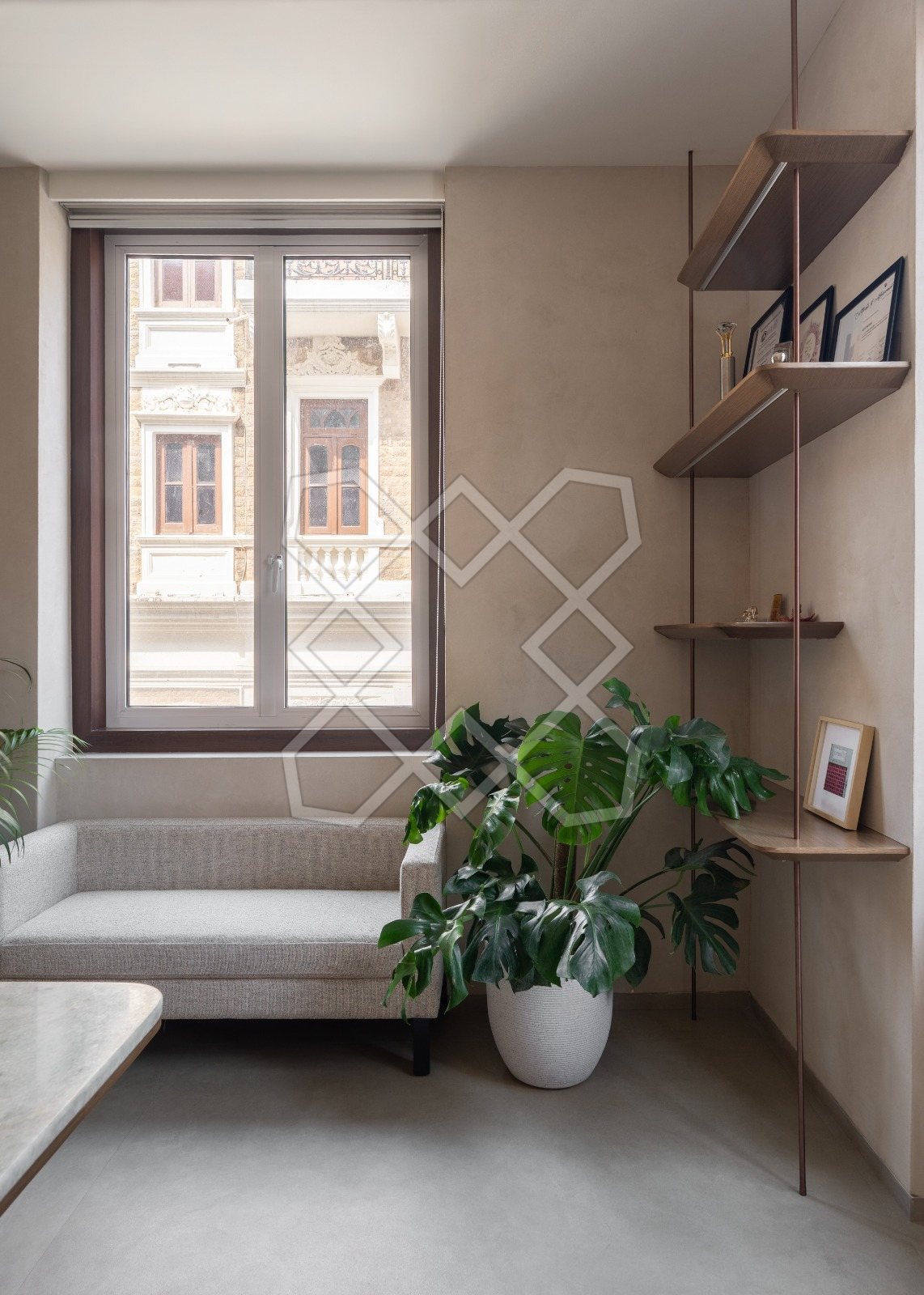
Choosing a luxury interior designer in Mumbai rests on ten considerations: relevant experience, the involvement of the principal designer, a disciplined process, a clearly defined scope, the depth of detailing, transparency on fees, the studio's approach to execution, the testimony of past clients, independent recognition, and genuine rapport. A studio that is strong on all ten will usually deliver a space that feels effortless and entirely its owner's. This guide explains how to assess each one, which questions to ask, and which warning signs to heed.
Why the choice matters more than it appears
A luxury interior is among the most significant investments a family or business will make, and among the most personal. The designer will shape not only how a space looks but how it is lived in for years: where light falls in the morning, how guests are received, where possessions are kept, and how the space ages. A considered choice at the outset saves time, expense and frustration later, and is the single most reliable predictor of a successful outcome.
1. Relevant experience
A beautiful portfolio is the beginning of the conversation, not its conclusion. What matters is whether the studio has resolved problems comparable to yours. A penthouse with a double-height volume, a sea-facing apartment, a near-heritage flat with thick walls and ageing services, and a residence shared by three generations each demand a different kind of thinking.
Ask to see complete projects rather than isolated rooms, and ask what the brief was in each case. At Studio Tattva by Aditi, each project page sets out the brief before the photographs, from Renaissance, designed for grandparents, a young couple and two children, to Sculpted Serenity, a sea-facing apartment in Juhu taken on as a bare shell.
2. The involvement of the principal designer
In many practices, the name on the door attends the first meeting and is rarely seen again. In a luxury project, the vision of the principal designer is precisely what you are engaging, so ask directly: who will set the design direction, who will review the drawings, and who will be present at the decisive moments on site?
At Studio Tattva by Aditi, the answer is the same for every project: founder and principal designer Aditi Savani establishes the direction at the outset and stewards it through detailing and execution to handover.
3. A disciplined process
A considered process is what turns a good idea into a finished space without drama. Ask the studio to explain its stages, what you will receive at each, and when decisions will be required of you. Decisions made early and carried through with discipline are far less costly than decisions revisited on site.
The studio's own process runs in five stages: Discovery, Design Direction, Detailing, Execution and Handover, each planned, reviewed and signed off in sequence. More detail is available on the About page.
4. A clearly defined scope
Some studios provide design and drawings only; others see the project through execution and site supervision. Neither model is wrong, but you should know which you are engaging. Clarify whether the scope includes civil work, joinery, furniture, lighting, soft furnishings, art and styling, and which of these will be designed bespoke.
Studio Tattva by Aditi offers both models: an engagement may begin with a design consultation and extend through full execution and site supervision, with the same senior oversight from the first idea to the finished space.
5. The depth of detailing
Luxury resides in the details: the junction of a stone panel and a timber floor, the line of a brass trim, a switch placed exactly where the hand expects it. Ask to see a set of working drawings from a completed project and observe how much has been resolved on paper before work begins. Bespoke joinery, curated materials and a lighting plan drawn together with the furniture are reliable signs of a thorough practice.
6. Transparency on fees
Fee structures vary between studios. Whatever the model, it should be explained clearly in writing before work begins, together with what is included, what is excluded and how procurement is handled. A studio that is open about its fees at the outset is likely to be equally open throughout the project.
7. The approach to execution
Even the finest design can be compromised on site. Ask who will manage the contractors, how quality will be checked, how often the design team will visit, and who will resolve the inevitable surprises behind a wall or beneath a floor. Where execution is handled by others, agree in advance how the designer will review the work.
8. The testimony of past clients
A studio's former clients are its most reliable references. Ask to speak with one or two, and ask what went less well as well as what went right. Repeat projects are particularly telling, because a client who returns for a second project has already lived with the first. At Studio Tattva by Aditi, 8 out of 10 clients return for future projects.
9. Independent recognition
Awards judged by peers and industry bodies, and features in respected design publications, offer an independent view of a studio's work. Distinguish these from paid listings. Studio Tattva by Aditi's recognitions include the D/List Award 2026 and the GROHE Bath and Design Award for the master bathroom at A Still Summit.
10. Genuine rapport
A luxury interior is a long and intimate collaboration. You will share how your family lives, what it values and what it will not tolerate. Choose a designer who listens more than they present at the first meeting, who asks about routines before finishes, and with whom candour comes easily.
Questions to ask at the first meeting
- Which completed projects are closest to mine, and what was the brief for each?
- Who will lead the design, and how often will I work with them directly?
- What are the stages of the process, and what will I receive at each?
- Does the engagement include execution and site supervision?
- How are the fees structured, and what does the scope include and exclude?
- How will changes be handled once work is under way?
- May I speak with a past client?
Warning signs
- A portfolio of images without briefs, plans or context.
- Reluctance to say who will actually design the space.
- A proposal presented before the studio has understood how you live or work.
- Vague answers on fees, scope or execution.
- No past clients willing to speak about their experience.
How Studio Tattva by Aditi works with new clients
Every project begins with an unhurried conversation about the space and the life it must hold. From there, the studio proceeds through Discovery, Design Direction, Detailing, Execution and Handover under the direction of Aditi Savani. The studio designs residences, workplaces, restaurants and hospitality spaces, and has delivered over 1 million sq ft across 10 major cities on 3 continents. Its work can be seen in the portfolio.
Frequently asked questions
What should I look for in a luxury interior designer in Mumbai?
Relevant experience, the direct involvement of the principal designer, a disciplined process, a clearly defined scope, visible depth of detailing, transparency on fees, a sound approach to execution, strong references, independent recognition and genuine rapport.
Should the principal designer be personally involved in my project?
For a luxury project, yes. The principal designer's vision is the reason to appoint a particular studio, so confirm who will set the design direction and review the work at each stage.
Is it better to appoint a studio that also handles execution?
Often, because one team then remains accountable from the first drawing to the finished room. If execution is handled separately, agree in advance how the designer will review work on site.
How many interior designers should I meet before deciding?
Meeting two or three studios whose work resembles your project is usually sufficient to compare approach, process and rapport.
What should I prepare before meeting an interior designer?
Floor plans if available, photographs of the space, a sense of how it will be used, images of interiors you admire, and an indication of your priorities and expected scope.
What is the difference between design-only and design-and-execution engagements?
A design-only engagement delivers drawings and specifications for others to build; a design-and-execution engagement keeps the studio responsible through construction, site supervision and handover.
How can I verify an interior designer's credentials?
Review complete projects, speak with past clients, and look for recognition from established awards and respected design publications rather than paid listings.
How does Studio Tattva by Aditi begin a new project?
With an unhurried first conversation, followed by five stages, Discovery, Design Direction, Detailing, Execution and Handover, all led by founder Aditi Savani.
By Studio Tattva by Aditi
